Description
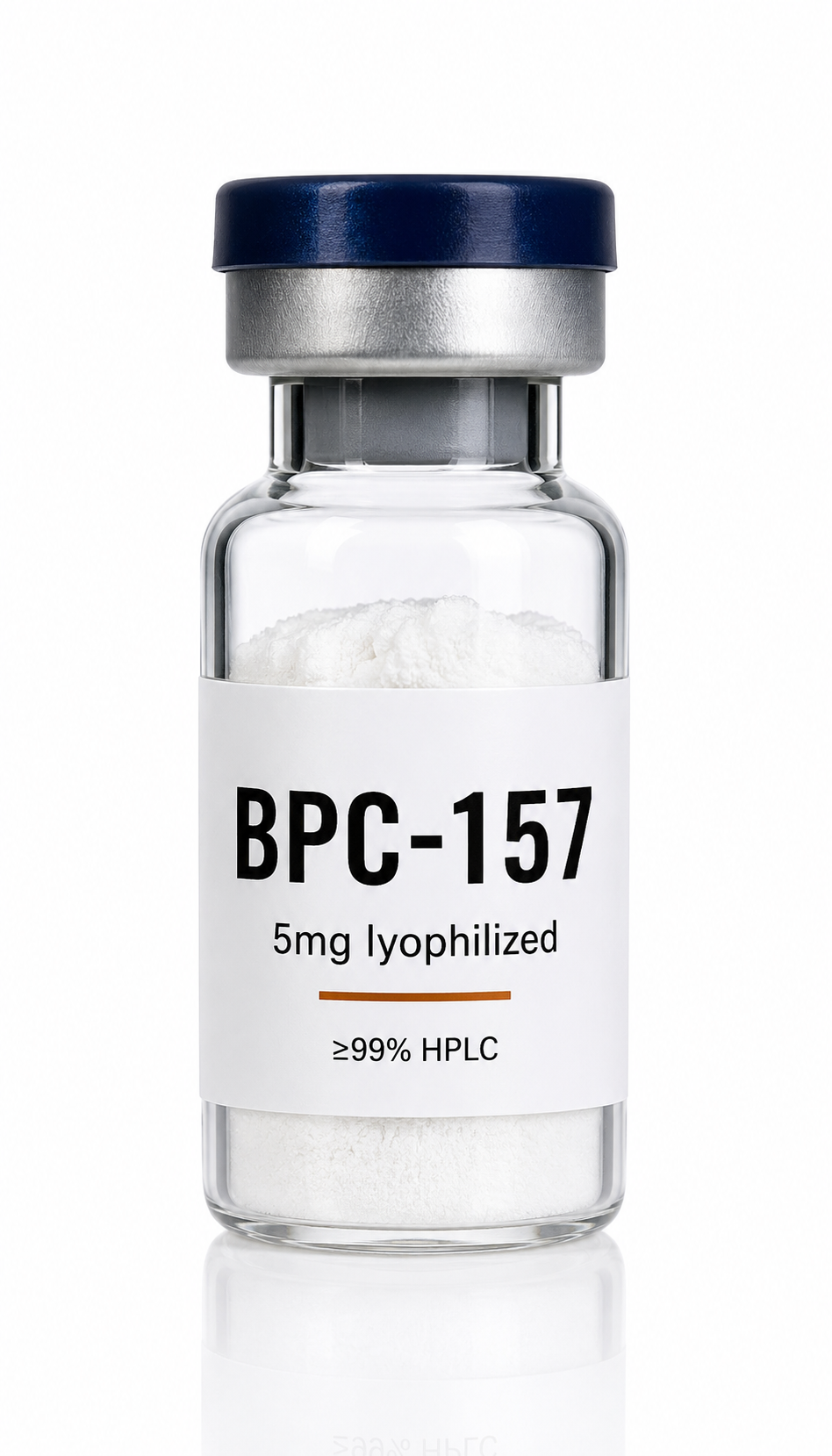
BPC-157 5mg: Lab-Grade Research Peptide

BPC-157 5mg is a lab-grade research peptide supplied by VialPepLab for laboratory research use only. This pentadecapeptide is commonly studied in tissue research models, gastrointestinal lining research, vascular formation studies, and soft tissue research contexts.
Researchers looking for research peptides, HPLC verified peptides, peptide COA documentation, and lab-grade peptides can use this product page to review specifications, storage guidance, reconstitution information, and research-only handling notes.
Why Choose This Research Peptide
BPC-157 is a 15-amino-acid peptide with the sequence Gly-Glu-Pro-Pro-Pro-Gly-Lys-Pro-Ala-Asp-Asp-Ala-Gly-Leu-Val. The sequence includes three consecutive prolines, a feature often discussed in relation to peptide stability.
For researchers who want to buy research peptides USA or buy research peptides Canada, VialPepLab provides research-use-only materials with clear labeling, batch records, and quality documentation.
Key Benefits
- Lab-grade pentadecapeptide for research
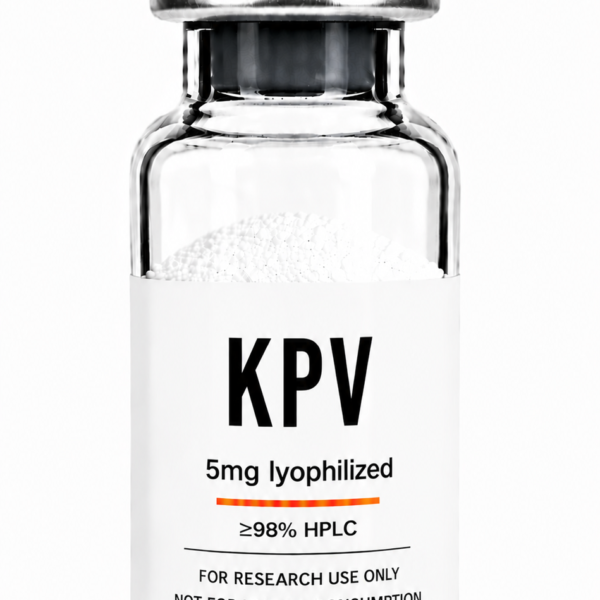
- 5mg lyophilized powder format
- Useful for tissue research models
- Relevant to gastrointestinal research studies
- Batch-specific peptide COA documentation
- HPLC verified peptide quality review
- For laboratory research use only
Product Features
15-Amino-Acid Structure
This compound belongs to the pentadecapeptide family, meaning it contains 15 amino acids. This makes it different from shorter research peptide fragments such as TB-500 or tripeptides such as KPV.
Lyophilized Peptide Format
The vial is supplied as a lyophilized powder. This format supports storage stability when kept sealed, dry, protected from light, and stored under suitable cold conditions.
Research-Only Positioning
This material is not sold for human use, veterinary use, injection, diagnosis, treatment, or consumption. It is intended strictly for laboratory research.
Research Applications
- Soft tissue research models
- Gastrointestinal lining research
- Vascular formation studies
- Pentadecapeptide comparison research
- Peptide stability and storage studies
- Laboratory peptide handling protocols
How to Reconstitute BPC-157 5mg
Reconstitution should be performed according to the research protocol. Researchers should confirm the batch-specific peptide amount before preparing any solution.
Basic formula:
Concentration (mg/mL) = Peptide mass (mg) ÷ Reconstitution volume (mL)
Example: A 5mg vial reconstituted with 2mL solvent creates a 2.5mg/mL solution.
For full calculation help, read our Calculating Reconstitution Concentrations Guide.
Bacteriostatic Water for Peptides
Bacteriostatic water for peptides is often discussed in research settings because it contains a preservative. Sterile water does not contain a preservative and is usually better suited for immediate or single-use preparation.
Before choosing a solvent, researchers should review the research protocol, compatibility requirements, and storage plan. Read our Bacteriostatic vs Sterile Water Comparison.
Storage Guidelines
- Store lyophilized powder sealed and dry
- Protect from light and moisture
- Keep cold for long-term storage
- Use sterile handling after reconstitution
- Avoid repeated freeze-thaw cycles
- Label aliquots with concentration and date
For full details, visit our Lyophilized Peptide Storage Temperature Guide.
Quality Assurance and Peptide COA
This research peptide should be reviewed with batch-specific documentation before use. Researchers should check HPLC purity, identity confirmation, batch number, storage instructions, and peptide COA details before beginning a protocol.
For analytical background, visit our LC-MS Identity Confirmation Guide. You can also review public compound information through PubChem BPC-157.
Browse the Healing & Regeneration Category
Explore related products in our Healing & Regeneration category. This category includes research peptides commonly studied in tissue research, regeneration-focused models, peptide stability studies, and laboratory peptide handling protocols.
Related Research Peptides
Researchers comparing this compound may also review TB-500, GHK-Cu, KPV, and other lab-grade peptides. For deeper comparison, read our Pentadecapeptide Family Guide, TB-500 vs Thymosin Beta-4 Guide, and GHK-Cu Copper Peptide Guide.
Research Peptides USA and Canada
Researchers searching for buy research peptides USA or buy research peptides Canada should choose suppliers that provide clear research-only labeling, peptide COA documentation, HPLC verified peptides, and no human-use claims.
For compliance context, read our Research Peptides Legality US and Canada Guide. For general regulatory information, see the U.S. FDA drug information resources.
Product Specifications
- Product name: BPC-157 5mg
- Peptide type: Pentadecapeptide
- Format: Lyophilized powder
- Amount: 5mg
- Category: Healing & Regeneration research peptides
- Use: Laboratory research only
- Documentation: Batch-specific peptide COA
Important Research-Only Notice
BPC-157 5mg is sold strictly for laboratory research use only. It is not for human use, veterinary use, diagnosis, treatment, injection, consumption, or personal application.
Frequently Asked Questions
What is this peptide used for in research?
It is used in laboratory research involving pentadecapeptide comparison, tissue research models, gastrointestinal lining research, vascular formation studies, and peptide stability protocols.
Is this a lab-grade peptide?
Yes. It is positioned as a lab-grade peptide for research use only with batch-specific documentation.
Does VialPepLab provide peptide COA documentation?
VialPepLab focuses on peptide COA documentation, identity review, HPLC verified peptides, and research-only labeling.
Is this product for human use?
No. This product is for laboratory research use only and is not for human or veterinary use.
Order BPC-157 5mg
This 5mg research vial is a strong choice for laboratories studying pentadecapeptides, tissue research models, peptide storage, COA verification, and reconstitution protocols. Browse more products in the Healing & Regeneration category or visit vialpeplab.com for more research peptides.
Reviews
There are no reviews yet.